Feb 23 2011

On blood groups and heart disease

A recent Lancet article has resuscitated some interest about the influence of ABO blood groups and one’s chances of developing cardiovacular disease. Like a lot of earlier studies that documented the influence of blood group phenotypic influences on disease incidence, the researchers a.) went in looking for one correlation and wound up finding another; and b.) possibly produced an oversimplification in their rationale for the results.

Historical Aspects

There is a clear-cut association with having A and AB phenotype and an increased risk for heart disease. This has been reported continuously in the scientific literature over the last 50 years. Individuals who are blood group A have higher rates of heart attack across all age groups, both the genders, and all ethnic and national groups.

In 1962, the Framingham Heart Study blood grouped the surviving 4125 members of the original study group of 5209 people first examined in 1948-51. The most striking observance was the lower rates of non-fatal heart disease in men ages 39-72 that were blood group O versus blood group A. (1) A 1994 Polish study on by-pass surgery patients with highly advanced arteriosclerosis of the coronary arteries found a significantly higher number of cases with group AB and a deficiency in group O. (2) A 1981 German study of 13,175 patients showed a prevalence of A blood group in all types of heart disease examined. (3)

In a study of 191 coronary artery bypass candidates, investigators paradoxically found an excess of type O over type A. When they examined the data more closely, they concluded that that the tendency of type A to develop blood clots more readily (“thrombotic proneness”) caused a poorer prognosis. In essence, the blood group A subjects were missing from the study because they had already died in greater numbers, leaving a disproportionate excess of type O among the long-term survivors. (4) In a study of male survivors of heart disease, researchers found that there were fewer type A patients before age 55 than otherwise would have been expected. (5)

An Italian study in 1975 of 746 patients with high blood pressure, 3258 with congenital heart disease, 4503 with a history of heart attack, found a significant lack of patients with type O blood, and a significant excess of blood group A in patients with myocardial infarction. The study also showed an excess of blood group A patients with high blood pressure, and a lack of patients who were blood group B. (6)

A study of 255 women published in the Journal of the American Medical Association originally to study the effects of smoking on the rates of heart attack in women also found several other factors significantly associated with heart attacks in this group, including hypertension, angina pectoris, family history, diabetes mellitus and blood group A. (7)

A 1985 study looked at blood group and heart attacks in two different age groups. The patients were divided into two groups: those who were 65 years old or older and younger patients. The predominance of blood group A in patients with cardiac infarction was “highly significant” in both age groups (P less than 0.005). This study was unique in that other risk factors, such as smoking, high blood pressure, diabetes, and high cholesterol levels, were excluded from the study. When the researchers looked specifically at the more elderly population, the predominance of blood group A in the older patients with cardiac infarction was even higher (P less than 0.001). The researchers concluded, “Our investigation strongly suggests the existence of a genetic factor associated with blood group A and independent of the other risk factors, which is also responsible for a greater incidence of cardiac infarction.” (8)

An eight-year study of 7662 men published in the British Medical Journal found blood group A is linked to the incidence of ischemic heart disease, as well as having higher total serum cholesterol concentrations. (9)

Intestinal alkaline phosphatase

Gene products, which may be expressed under plastic conditions, can contribute to further downstream gene expression by ecological elements. Beginning around 1965 researchers began to notice that people had different levels of an enzyme in their intestinal tract called intestinal alkaline phosphatase (IAP) and that the levels of this enzyme varied according to ABO blood group and secretor status. (10) Type A non-secretors have the lowest levels, and type O secretors the highest, with type B’s somewhere in the middle. The activity of intestinal alkaline phosphatase and serum alkaline phosphatase is strongly correlated with ABH secretor phenotypes. Independent of ABO blood group, ABH non-secretors have lower alkaline phosphatase activity than ABH secretors. It has been estimated that the serum alkaline phosphatase activity of non-secretors is only about 20% of the activity in the secretor groups. It appears likely that the ABO and secretor genes influence the rate at which the intestinal phosphatase enters the blood, or its catabolism, rather than its synthesis in the intestine. (11,12)

IAP has several important functions. During fetal development, IAP is the enzyme with the highest blood concentration during the critical period when the gut lining is developing. IAP also helps to split cholesterol and long chain fatty acids from food into smaller fatty acids. Finally, it also enhances the absorption of calcium from food. The concentration of the intestinal phosphatase is lowest in the serum during fasting and rises after ingestion of fat, reaching a peak at about seven to eight hours. The concentration of intestinal alkaline phosphatase in human thoracic-duct lymph rises after a fatty meal; and presumably, most of the intestinal phosphatase enters the blood by way of the lymphatic system.

Cholesterol

Although several studies on highly select populations have yielded conflicting results (13,14), the consensus is that blood group A has a significantly higher basal cholesterol level than the other blood groups. The relationship between ABO blood phenotype and total serum cholesterol level was examined in a Japanese population to determine whether elevated cholesterol levels are associated with blood group A. Their results showed that cholesterol levels were very significantly elevated in the blood group A group compared to non-A group (P < 0.00001). (15) In a nationwide sample of more than 6000 black and white adolescents aged 12 to 17 years, ABO blood group and coronary risk factor levels were measured. Blood group A1 was associated with significantly higher serum total cholesterol levels in white females independent of all other risk factors, in white males independent of age and weight, and in southern black females independent of age and weight. (16) A separate study (the Bogalusa Heart Study) looked at 656 white and 371 black adolescents and found the same results with regard to cholesterol (A higher than others) and also showed higher levels of LDL lipoproteins in type A adolescents over the other blood groups. (17) Whether the association between group A and elevated cholesterol levels is through linkage or environmental factors, such as diet, remains to be determined. The aforementioned ABO variations in intestinal alkaline phosphatase levels have been posited as a potential causative factor.

Viscosity and rheological differences

Elevated Factor VIII (FVIII) levels contribute to venous thrombotic risk. FVIII levels are determined largely by levels of von Willebrand factor (VWF), its carrier protein that protects FVIII against proteolysis. (18) ABO polymorphism is one of the best-characterized genetic modifiers of plasma FVIII; it accounts for approximately 30% of the total genetic effect. (19) Subjects with blood group non-O have higher VWF and FVIII levels than do individuals with blood group O. (20)

Rheology is the science of deformation and flow. One common factor between solids, liquids, and all materials whose behavior is intermediate between solids and liquid is that if we apply a stress or load on any of them they will deform or strain. For our purposes, we will use the term to describe the dynamics between blood clotting (moving towards a solid state) and blood thinning (moving towards a liquid state). It might be tempting to substitute the word “viscosity” for rheology when talking about blood groups and clotting; but it does not cover the “dynamics” of how, when, and why blood can change texture; it only distinguishes one texture state form another.

There is evidence that the rheology of blood may play a role in a variety of chronic anxiety states. When compared to normal subjects, chronic depressive and schizoid patients had very significant differences in their blood rheology and in the ability of their red blood cells to aggregate. When patients having schizoid anxiety were compared to those having depressive anxiety, their ratio of albumin to globulin was increased. When patients were divided according to their ABO blood groups, significant differences were found in their albumin to fibrinogen ratio and their blood viscosity. This was particularly true for women who were type A and who suffered from depressive anxiety: their blood tended to be substantially “thicker” and have higher amounts of serum proteins in it than women with similar depression who were blood group O. (21)

Associations between the ABO phenotype and variations in blood rheology have been also reported in high blood pressure, (22) stress, (23) diabetes, (24) heart attack, cancer and thyroid disease, (25) renal failure (26) and malignant melanoma. (26-27)

Soluble adhesion factor E-selectin

Endothelial (E)-selectin (CD62E), formerly known as ELAM-1, is synthesized de novo by endothelial cells in response to IL-1, lipopolysaccharide, TNF-alpha, or G-CSF and is, therefore, detectable either after or concurrently with P-selectin to augment leukocyte recruitment. In humans, E-selectin is encoded by the SELE gene. E-selectin recognizes and binds to sialylated carbohydrates present on the surface proteins of certain leukocytes. These carbohydrates include members of the Lewis X and Lewis A families found on monocytes, granulocytes, and T-lymphocytes.

E-selectin is a heavily glycosylated transmembrane protein. E-selectin recognizes several diverse and structurally distinct glycoconjugates on various hematopoietic and carcinomatous cells in affinity or binding assays. These ligands may include cutaneous lymphocyte-associated antigen (CLA) a distinct glycoform of P-selectin glycoprotein ligand-1 (PSGL-1), L-selectin, E-selectin ligand-1, CD43, hematopoietic cell E- and L-selectin ligand (a specialized glycoform of CD44), betaa-2 integrins, and glycolipids. (28) Recently, death receptor-3 (DR3) expressed on colon carcinoma cells has been identified as a new E-selectin ligand. (29)

During inflammation, E-selectin plays an important part in recruiting leukocytes to the site of injury. The local release of cytokines IL-1 and TNF by damaged cells induce the over-expression of E-selectin on endothelial cells of nearby blood vessels. Leukocytes in the blood, expressing the correct ligand, will bind with low affinity to E-selectin, causing the leukocytes to “roll” along the internal surface of the blood vessel as temporary interactions are made and broken. As the inflammatory response progresses, chemokines released by injured tissue enter the blood vessels and activate the rolling leukocytes, which are now able to tightly bind to the endothelial surface and begin making their way into the tissue. E-selectin binds sialyl Lewis X (SLeX).

ABO is a major locus for serum soluble E-selectin levels. E-selectin is higher in O/O than O/A heterozygotes, which likewise have higher levels than A/A genotypes. Analysis of subgroups of A alleles reveals heterogeneity in the association, and even after this was accounted for, an intron 1 SNP remained significantly associated. Additional findings indicate that the genetic variants at ABO locus affect plasma soluble E-selectin levels and diabetes risk. (30,31)

Summary

The Lancet researchers conclude that the propensity of ABO blood groups to influence the course of heart disease “was attributable to the glycotransferase-deficient enzyme that encodes the ABO blood group O phenotype previously proposed to protect against myocardial infarction.”

This is indeed true. However there are a great many other factors related to ABO phenotype that interact together to produce clinical cardiovascular illness. Soluble adhesion factors like E-selectin best promote arterial inflammation when in the presence of clotting factors such as Factor VIII and even slightly elevated cholesterol.

Both of these factors are also known to be associated with the blood group A phenotype. Blood viscosity is known to alter most prominently in group A when under stress and a variety of health conditions often unrelated to heart disease.

The almost three-fold differences in intestinal alkaline phosphatase between group O and group A individuals and between ABH secretors and non-secretors points to the cardiovascular benefits of a lower protein diet in group A, especially group A individuals of the non-secretor phenotype; and suggests that secretor status should also be included in any analysis of blood group propensities towards cardiovascular disease.


Portions excerpted from Fundamentals of Generative Medicine copyright 2011, Drum Hill Publishing, USA.


  1. Havlik RJ, et al. Blood groups and coronary heart disease. Lancet. 1969 Aug 2; 2(7614):269-70.
  2. Slipko Z, Latuchowska B, Wojtkowska E. Body structure and ABO and Rh blood groups in patients with advanced coronary heart disease after aortocoronary bypass surgery. Pol Arch Med Wewn. 1994 Jan; 91(1):55-60.
  3. Meshalkin EN, Okuneva GN, Vlasov IuA, Vel’tmander NN. ABO and Rh blood groups in cardiovascular pathology. Kardiologiia. 1981 Apr; 21(4):46-50.
  4. Erikssen J, Thaulow E, Stormorken H, Brendemoen O, Hellem A. ABO blood groups and coronary heart disease (CHD). A study in subjects with severe and latent CHD. Thromb Haemost 1980 Jun 18; 43(2):137-140.
  5. Allan TM. ABO blood groups, age, and work in ischemic heart disease. Atherosclerosis. 1975 May; 21(3):459-461.
  6. Galeazzi L, Gualandri V. ABO blood-group phenotypes and pathogenesis of cardiovascular diseases. Congenital, rheumatic, and coronaric heart disease and arterial hypertension. Ital Cardiol. 1975; 5(5):744-751.
  7. Rosenberg L, Miller DR, Kaufman DW, Helmrich SP, Van de Carr S, Stolley PD, Shapiro S. Myocardial infarction in women under 50 years of age. JAMA. 1983 Nov 25; 250(20):2801-2806.
  8. Platt D, Muhlberg W, Kiehl L, Schmitt-Ruth R. ABO blood group system, age, sex, risk factors and cardiac infarction. Arch Gerontol Geriatr. 1985 Oct; 4(3):241-249.
  9. Whincup PH, Cook DG, Phillips AN, Shaper AG. ABO blood group and ischemic heart disease in British men. BMJ. 1990 Jun 30; 300(6741):1679-1682.
  10. Blood groups and The Intestine. Editorial. Lancet. 1966 Dec 3; 2(7475):1232-3.
  11. Arfors KE, Beckman L, Lundin LG. Genetic Studies of Blood Group-Associated Variations in a Human Serum Alkaline Phosphatase. Acta Genet Statist Med. 1965; 13, 89.
  12. Mehta NJ, Rege DV, Kulkarni MB. Total serum alkaline phosphatase (SAP) and serum cholesterol in relation to secretor status and blood groups in myocardial infarction patients. Indian Heart J. 1989 Mar;41(2):82-85
  13. Martin NG, Rowell DM, Whitfield JB. MN and Jk systems influence environmental variability in serum lipid levels. Clin Genet. 1983 Jul; 24(1):1-14.
  14. Gleiberman L, Gershowitz H, Harburg E, Schork MA. Blood pressure and blood group markers. Association with the MN locus. J Hypertens. 1984 Aug; 2(4):337-41.
  15. Reid ME. MNS blood group system: a review. Immunohematology. 2009; 25(3):95-101.
  16. Sharon R, Weinberg H, Husseini N. An unusually high incidence of homozygous MM in ankylosing spondylitis. J Bone Joint Surg Br. 1985 Jan; 67(1):122-3.
  17. Howard DR. Expression of T-antigen on polyagglutinable erythrocytes and carcinoma cells: preparation of T-activated erythrocytes, anti-T lectin, anti-T absorbed human serum and purified anti-T antibody. Vox Sang. 1979; 37(2):107-10.
  18. Platt D, Muhlberg W, Kiehl L, Schmitt-Ruth R. ABO blood group system, age, sex, risk factors and cardiac infarction. Arch Gerontol Geriatr. 1985 Oct; 4(3):241-249.
  19. Whincup PH, Cook DG, Phillips AN, Shaper AG. ABO blood group and ischemic heart disease in British men. BMJ. 1990 Jun 30; 300(6741):1679-1682.
  20. Jorgensen G. ABO blood groups in physicians more than 75 years old. On the hypothesis concerning “little more fitness of blood group O” MMW Munch Med Wochenschr. 1974 Mar 29; 116(13):649-52.
  21. Dintenfass L, et al. Blood rheology in patients with depressive and schizoid anxiety. Biorheology. 1976 Feb; 13(1):33-6.
  22. Dintenfass L, et al. Dynamic blood coagulation and viscosity and degradation of artificial thrombi in patients with hypertension. Cardiovasc Res. 1970 Jan; 4(1):50-60.
  23. Dintenfass L, et al. Effect of stress and anxiety on thrombus formation and blood viscosity factors. Bibl Haematol. 1975; (41):133-9.
  24. Dintenfass L, et al. Genetic and ethnic influences on blood viscosity and capillaries in diabetes mellitus. Microvasc Res. 1977 Sep; 14(2):161-72.
  25. Dintenfass L, et al. Effect of fibrinogen on aggregation of red cells and on apparent viscosity of artificial thrombi in hemophilia, myocardial infarction, thyroid disease, cancer and control systems: effect of ABO blood groups. Microvasc Res. 1975 Jan; 9(1):107-18.
  26. Dintenfass L, et al. Formation, consistency and degradation of artificial thrombi in severe renal failure. Effect of ABO blood groups. Thromb Diath Haemorrh. 1968 Nov 15; 20(1):267-84.
  27. Dintenfass L. Some aspects of hemorrheology of metastasis in malignant melanoma. Haematologia (Budap). 1977; 11(3-4):301-7.
  28. Barthel SR, Gavino JD, Descheny L, Dimitroff CJ. Targeting selectins and selectin ligands in inflammation and cancer. Expert Opin Ther Targets. 2007 Nov; 11(11):1473-91.
  29. Gout S. et al. Death receptor-3, a new E-selectin counter-receptor that confers migration and survival advantages to colon carcinoma cells by triggering p38 and ERK MAPK activation. Cancer Res. 2006; 66(18):9117–9124.
  30. Paterson AD, Lopes-Virella MF, Waggott D, Boright AP, Hosseini SM, Carter RE, Shen E, Mirea L, Bharaj B, Sun L, Bull SB. Diabetes Control and Complications Trial/Epidemiology of Diabetes Interventions and Complications Research Group. Genome-wide association identifies the ABO blood group as a major locus associated with serum levels of soluble E-selectin. Arterioscler Thromb Vasc Biol. 2009 Nov; 29(11):1958-67.
  31. Qi L, Cornelis MC, Kraft P, Jensen M, van Dam RM, Sun Q, Girman CJ, Laurie CC, Mirel DB, Hunter DJ, Rimm E, Hu FB. Genetic variants in ABO blood group region, plasma soluble E-selectin levels and risk of type 2 diabetes. Hum Mol Genet. 2010 May 1; 19(9):1856-62.

There are 8 comments on this article so far

Feb 05 2011

Hongerwinter

On September 17, 1944, the sky over southern Holland was filled with paratroopers. That sunny Sunday afternoon marked the beginning of operation “Market Garden,” Field Marshall Montgomery’s plan that the Allies hoped would end the war in one quick blow. Better known as “A Bridge Too Far,” the plan was to grab a series of bridges over the Rhine, hold them until reinforced, and then push on to the Ruhr, Germany’s industrial heartland. Operation Market Garden initially did quite well, except for the last bridge, at Arnhem, where the paratroopers met stout resistance and were eventually forced to surrender or retreat.

Operation Market Garden would have just been a historical footnote to World War II if it had not resulted in the setting in motion of a series of political moves that resulted in wide-ranging health consequences for the Dutch population. The Dutch Exile Government in London was convinced that Market Garden would produce a quick end of the war and decided that the Allied operation would be aided if they called for a railway strike in occupied Holland. This strike would seriously hamper the mobility of the occupiers and prevent a quick Nazi counterattack in the early stage of the operation. It asked all Dutch railway employees to go underground and make contact with Dutch resistance. By October 1944, almost all railway employees were underground. They disabled and sabotaged all railway tracks, bridges, ferries, and parts of highways to give the Germans a hard time with their military logistics.

A victim of the Hongerwinter.

With the failure of Operation Market Garden, the only real effect of the strike was to infuriate the German occupation government, who immediately confiscated all vans, cars, and even bikes to move their forces to the front. To make things worse, the Nazis blew up all the all dykes and dams in western Holland so that the Dutch were held hostage with no possibility of any food supply.

On September 27 1944, the first radio transmissions from the Dutch underground reached London, warning that there was only enough food left for several weeks. From that point on, and into one of the coldest winters in European history, things just got worse. When the local harvest was not big enough to supply the large cities, people were forced to walk for hundreds of kilometers to trade valuables for food at farms. Tulip bulbs and sugar beets were commonly consumed. Furniture and houses were dismantled to provide fuel for heating. By early 1945, official rations were 400-800 calories per day; and by early 1945, approximately 30,000 Dutch people had starved to death.

Known to the Dutch as the “Hongerwinter,” the winter of 1944-45 saw the birth of almost 40,000 babies, each of whose vital statistics, such as name, birth date, and weight, were duly recorded by the Dutch authorities. In the 1960’s researchers began to study these now fully-grown famine survivors, and the results were shocking. All had the usual complications, but in particular those fetuses who were in their last trimester during the height of the famine, had very low birth weights. They did grow up normal, but later suffered from very high rates of diabetes. On the other hand, babies who were in the first six months of gestation during the height of the famine, were normal weight at birth but when they reached adulthood went on to give birth to unusually small babies. (1)

Those fetuses exposed to famine during gestation also went on to develop obstructive pulmonary and kidney disease more often than average. Those whose mother’s starved at the beginning of the pregnancy gestation have more atherosclerosis, altered blood clotting, more obesity, and a three-fold increase in cardiovascular disease. Daughters of mothers pregnant during the famine had significantly more truncal obesity and insulin resistance at midlife than average and the sons had higher rates of schizophrenia and an exaggerated response to stress. (2)

What had happened to produce these dramatic health effects, and even more significantly how did it somehow go on to become inheritable, as in the case of those women who were babies in their first trimester of the Hongerwinter and imparted small size to their offspring, decades after the famine?

  1. Lumey LH, Van Poppel FW. The Dutch famine of 1944-45: mortality and morbidity in past and present generations. Soc Hist Med. 1994 Aug; 7(2):229-46.
  2. Ravelli, A.C. et al. Glucose tolerance in adults after prenatal exposure to famine. Lancet 351, (1998) 173–177

There are 3 comments on this article so far

Dec 28 2010

Chutes and Ladders


“The major problem, I think, is chromatin… you can inherit something beyond the DNA sequence. That’s where the real excitement of genetics is now”
—James Watson

Chutes and Ladders is a popular children’s game played board grid of numbered squares; on certain squares on the grid are drawn a number of “ladders” and a number of “chutes” also connecting the squares together. Normally a player roles a die and moves that number of squares. However, landing on the top of a chute or bottom of a ladder results the player moving his or her piece upwards or downwards on the grid.

The game is based on the ancient game of Snakes and Ladders, actually a game of morality, which is believed to date back to ancient India, with bases of the ladders being located on squares representing various types of good and the more numerous snakes signaling evil. The game appealed to 18th century Victorians, who brought the game back to England, substituting the more Victorian values of penitence, thrift and industry for the ladders and indolence, indulgence and disobedience for the chutes. However, they at least equalized the number of ladders and snakes.

Landscapes

“Any landscape is a condition of the spirit.”
— Henri Frédéric Amiel

Conrad Waddington (1905-1975) first coined the term “epigenetics” in 1968. Originally an embryologist, he had studied with Thomas Hunt Morgan, also an embryologist. Waddington had increasingly come to believe that the answers to his questions concerning development lay in genetics. In 1915 Morgan first demonstrated that genes are carried on chromosomes and are the mechanical basis of heredity. Waddington saw the term as a way to describe the integration of epigenesis (the series of occurrences in development with genetics). With it, Waddington helped create the field of developmental genetics.

Waddington described it as “the branch of biology which studies the causal interactions between genes and their products, which bring the phenotype into being.” (2) Epigenetics, in a broad sense, is a bridge between genotype and phenotype—a phenomenon that changes the outcome of a locus or chromosome without changing the underlying DNA sequence. For example, even though the vast majority of cells in a multicellular organism share an identical genotype, organ and tissue development generates a diversity of cell types with disparate, yet stable, profiles of gene expression and distinct cellular functions.

Epigenetics

Epigenetics is the study of reversible heritable changes in gene function that occur without a change in the sequence of nuclear DNA. It is also the study of the processes involved in the unfolding development of an organism. In both cases, the object of study includes how gene regulatory information that is not expressed in DNA sequences is transmitted from one generation to the next – that is “in addition to” the genetic information encoded in the DNA. In its simplest manifestation, epigenetics is defined as any genetic mechanism that results in phenotypic variation without altering the base-pair nucleotide sequence of the genes. (3)

Waddington used an important visual metaphor to describe the development of an individual organism –or part of an organism, such as an organ, tissue or even a specific cell. He likened it to a ball rolling down an undulating, dissected landscape predetermined by the genetic architecture that lay underneath. This he called an epigenetic landscape. This epigenetic landscape is a metaphor for how gene regulation modulates development. One is asked to imagine a number of marbles rolling down a hill towards a wall. The marbles will compete for the grooves on the slope, and come to rest at the lowest points. These points represent the eventual cell fates, that is, tissue types.

Epigenetic landscape I. “The path followed by the ball, as if rolls towards the spectator, corresponds to the developmental history of a particular part of the egg.” (Waddington CW. The Strategy of the Genes. London, Allen and Unwin (1957)

A key theme in this work is that the final form of an organism does not develop entirely and exclusively from a blueprint specified in the genetic program, but rather is a result of the way the genes interact with the environment throughout the developmental process. (4-5)

Waddington suggested that these concurrent interacting influences of genotype and environment could best be conceptualized as an epigenetic landscape, a domain of multiple hills and valleys; and that the growth and development of the organism could be likened to a marble making its way downhill. “Well-worn” or “beaten” paths pathways along which the course of development of an organism normally unfolds were termed chreodes. In the epigenetic landscape, chreodes are the developmental trajectories in the landscape and the epigenetic landscape itself represents the probability distribution of the developmental outcomes. In essence, the balls are much more likely to wind up at the base of a deeper valley, than stuck on some shelf or side valley. As the ball rolls down the landscape, it can be buffered by external or internal influences and perturbations; but it tends to return to the base valley, the chreode. (6,7)

Epigenetic landscape II. “The complex system of interactions underlying the epigenetic landscape. The pegs in the ground represent genes, the strings leading from the chemical tendencies that the genes produce. The modeling of the epigenetic landscape, which slopes down from above one’s head towards the distance, is controlled by the pull of these numerous guy-ropes which are ultimately anchored to the genes.” (Waddington CW. The Strategy of the Genes. London, Allen and Unwin (1957)

The resistance of phenotypic variations to environmental or genetic influences is called canalization. Another way of thinking about it: Canalization is a measure of the ability of a population to produce the same phenotype regardless of variability of its environment or genotype. In Waddington’s epigenetic landscape a canalized trait would be a valley enclosed by high ridges, safely guiding the phenotype to its “fate.” This phenotypic buffering of the developmental systems can produce a “wild-type” phenotype (or what might more accurately be called a phenotypic mean) in the face of various mutations or environmental insults.

In many ways, canalization is the opposite of phenotype plasticity, since it works to insure that phenotypic variation is limited to the degrees that the same phenotype is produced regardless of genotypic or environmental changes. Traits that are highly canalized show little capacity for variation.

Evolution in the epigenetic landscape can occur from:

  • Variation in developmental systems: Certain systems might be more or less sensitive to the effects of canalization than others
  • A shifting in phenotypic mean: The marble’s outcome shifts from its original valley to one with a deeper cut and steeper walls
  • A gradual decrease in variance: Due to natural selection acting on some sort of environmental condition certain alternate traits are winnowed out, leaving the remaining marbles to wear continuous path, deepening a previously shallower valley into a deeper one.

Some authors (8) distinguish between a “genetic” and an “environmental” form of canalization. Genetic canalization refers to distinct genotypes producing the same phenotype, while environmental canalization refers to the same genotype producing the same phenotype in spite of environmental variation.


  1. Watson JD. A conversation with James D. Watson. Sci. Am. 288, 66–69 (2003)
  2. Waddington CH. The Strategy of the Genes; a Discussion of Some Aspects of Theoretical Biology. Allen & Unwin London (1957)
  3. Goldberg AD, Allis CD, Bernstein E. Epigenetics: a landscape takes shape. Cell. Feb 23;128(4):635-8. 2007
  4. Gilbert SF, Epel D. Ecological Developmental Biology. Sinaur Associates. Sunderland USA (2009)
  5. Waddington CH. Genetic assimilation of an acquired character. Evolution 7: 118-126. 1953
  6. Waddington CH. Principles of development and differentiation. Macmillan Company. New York USA (1966)
  7. Waddington CH. The Evolution of an Evolutionist. Edinburgh University Press. Edinburgh (1975)
  8. Jablonka E and Lamb MJ. Evolution in Four Dimensions: Genetic, Epigenetic, Behavioral, and Symbolic Variation in the History of Life. MIT Press. Cambridge MA (2005


Portions excerpted from Fundamentals of Generative Medicine copyright 2010, Drum Hill Publishing, USA.


There is 1 comment on this article so far

Dec 24 2010

Wrecker of Civilization

Published by
Under General | Nincompoopery

A loon is defined as:

1. addle-head, addlehead, loon, birdbrain (a person with confused ideas; incapable of serious thought.
2. somewhat primitive fish-eating diving bird of the northern hemisphere having webbed feet placed far back.


According to one or the other of these definitions, University of Miami philosophy graduate student and dangerously ignorant science arbitrator Fredrik Haraldsen thinks that I am an American Loon, though personally I think I fit the second definition better than the first. Loons are cool birds, kind of a triple-threat; they can swim, fly and ambulate. Not exactly sure what Mr. Haraldsen can do. Does seem that he can slither pretty good though.

Scientific pseudo-skepticism is one of only a few professions (TV reality shows being the only other genre I can think of) in which it is possible to build up one’s street credentials by the simple act of being a sarcastic moron. In an idiots-on-stilts blog known as The Encyclopedia of American Loons, Haraldsen appears to be working through the alphabet, documenting what he believes to be the best in American loonery. The list, which as of now only extends to loons whose last names begin with A though E, seems to consist of preliterate-style bashings of conservative politicians, creation scientists and various New Age types. I particularly enjoyed seeing David Berlinski (who wrote what I still consider to be one of the best introductions to the calculus), Deepak Chopra, and Fritjof Capra (author of the Tao of Physics) on this roster. I am apparently something called ‘food-woo,’ and in Haraldsen’s addled estimation constitutes a

Frighteningly common type of crackpot who confuses anecdotal evidence and confirmation bias with science. Some of his advice may actually be harmful, so he must be considered moderately dangerous.

I always get a kick when a criticism wants to claim that something is both ineffective and dangerous at the same time. Sort of like the old codger in the diner who complains to the waitress that the food is terrible and the portions are too small. Confirmation bias is the tendency to favor information that confirms one’s own preconceptions or hypothesis regardless of whether the information is true. Now, for Haraldsen to be correct in this assertion he would need to present evidence that I’ve twisted evidence (studies, reports, research) to suit my beliefs or agenda. But again intellectual dishonesty wins out over truth and facts. I’ve authored numerous review articles that cite hundreds of studies about blood groups and physiology. In no instance has it ever been demonstrated that I misrepresented the data in those studies. (1,2)

Food woo is potent stuff, and Peter D’Adamo is one of the most influential. Now, there is some evidence that his suggestions are, indeed, partially founded on Eastern (more closely Japanese) superstition (many remedies that claim such background are not), though it must, for obvious reasons, be a relatively new kind of superstition. The Eastern connection does, of course, not make his crackpottery [sic] more likely to be correct.

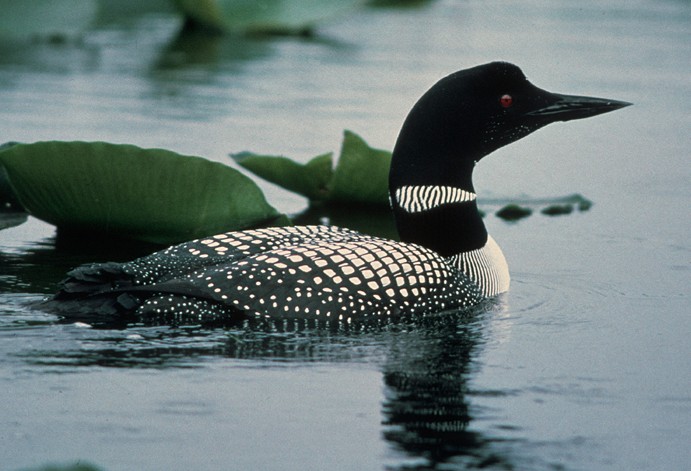
Common Loon (Gavia immer)

Now, I have read this paragraph several times, and I still can’t figure out what this guy is trying to say. Is he trying to link my work with the Japanese pop-culture personality stuff? If he is, his criticism is off from the start: I’ve never endorsed any of that stuff. Perhaps it’s because Mr. Haraldsen appears to have no scientific credentials whatsoever, but rather seems to be pursuing post-graduate studies in philosophy; a noble profession, for sure, but (last I checked) one devoid of graduate level biochemistry. So, lacking the prerequisite ability to actually think for himself, Haraldsen is left to simply aggregate whatever extant material he can find that fits his opinion on the subject. True scholarship! Many aspects of Haraldsen’s toxic little blog remind me of the infamous Mr. Blackwell, famous for his widely publicized ‘Worst Dressed Lists’ of the 1960s and ’70s, except Blackwell was much more funny and erudite. Haraldsen just seems like a schmuck who very much wants to be the knight-errant.

But then again, who would not love to be called influential? That I like.

The problem with Haraldsen’s criticisms is that his only strategy centers around maniacally endeavoring to cover the subject in question with as much ad hominem manure as possible, so that he can stand back, point to the person in question, and exclaim for all to hear: “Look everybody! He is covered in manure!”

I’ve addressed the evidence shortcomings of the blood type diet theory numerous times. Fact is, subjecting this theory to the kind of proof these types of skeptics demand is simply outside the realm of rational possibility. You’re talking epidemiological scale research here. A minimal sample size for a study such as this would probably be around 1000 subjects–double this if the study were to be blinded and half the participants given sham-type diets. The minimal length of time would be six months to one year. So you are looking at a price tag in the millions of dollars.

Of course you can do little pilot-type studies, but they don’t mean very much. For example, we were able to show that the latter values (third and fourth blows) in a series of sequential breath hydrogen levels (a marker of either bacteria overgrowth or malabsorption) diminished significantly when individuals are placed on the recommended diet for their blood group. In addition we were able to document that breath hydrogen levels appear to be associated with ABO blood group and secretor status to some degree. However, these were uncontrolled and the number of subjects was quite small. (3)

More hard reporting:

D’Adamo’s schtick is the Blood Type Diet (a.k.a. blood type astrology), in which the members of each of the four main blood type groups are assigned their own regimen of foods to consume and avoid. … Apparently he is putting a lot of effort in capturing the Japanese market, as seen from his website.

Again with the Japanese? Enough already!

Oh… now I think I get it.

My website splash page used to feature an Asian girl in the background photo. But that image changes every two months or so. Now it shows a Latin-Middle Eastern type person (hard to say for sure, these are stock images). In another month it will show a young Caucasian man. I suppose this was Haraldsen’s clue that I was pitching the Japanese market.

What a ridiculous over-extrapolation.

The rest of the entry seems like he lifted entire parts from Wikipedia and The Skeptics Dictionary, two resources which, if I were Haraldsen’s grade advisor, would be grounds for a stern reprimand.

The consensus among dieticians, physicians, and scientists, however, is that the theory is unsupported by scientific evidence. Remember that the Galileo gambit is a fallacy, if you were ever attempted [sic] to go down that route.

Haraldsen should remember that argument from authority is also a fallacy, but then again there is nothing in that Haraldsen’s sophomoric blog that could pass for serious science discourse anyway.

Scorecard:

  • Not proven to universal satisfaction: Yes.
  • Falsifiable: Yes.
  • Extraordinary claims: No.
  • Unscientific: No.
  • Haraldsen: Juvenile Cadet.
  1. D’Adamo, PJ. The Non-transfusion Significance of the ABO Blood groups. Textbook of Natural Medicine (2005, 2010) Pizzorno and Murray, editors (Elsevier Publications)
  2. D’Adamo PJ, Kelly GS. Metabolic and immunologic consequences of ABH secretor and Lewis subtype status.Altern Med Rev. 2001 Aug;6(4):390-405.
  3. D’Adamo. PJ. A Breath of Fresh Air. 2009 Conference Proceedings, Institute for Human Individuality. Norwalk CT USA

There are 12 comments on this article so far

Dec 18 2010

Despised Theories, No. 4: Pangenesis

N

atural Selection is the process by which certain heritable traits that convey some advantage become more common in a population over successive generations. These advantages typically make the organism more likely to survive and successfully reproduce. The term was introduced by Charles Darwin (1809-1892) in his influential 1859 book On the Origin of Species. In it, Darwin describes natural selection as being analogous to artificial selection, a process by which animals and plants with traits considered desirable by human breeders are systematically favored for reproduction. It is a key mechanism of evolution and a cornerstone of modern biology.

It was Darwin in fact who also advanced one of the earliest systematic discussions of variation and inheritance. That should be no surprise, for when you think about it, in order for natural selection to work, there would have to be significant differences between individuals. Darwin did not really think about variation in terms of heredity. In fact, he tended to think of both heredity and variation as essentially two antithetical processes. This makes a certain amount of common sense. To this day, we tend to think that the job of heredity is to maintain consistency and that of variation to disturb it.

Even Charles Darwin had his off-days.

Variation, to Darwin, was a series of continuous acts of disturbance produced before conception and long afterward. However, there was a critical difference between Darwin and most of his contemporaries. They saw variation as the addition of extra stages to the development of an organism from the fertilized egg to its mature form (a process called ontogeny) where Darwin accepted that variation was more of a breakdown in the copying process.

Variation under changed conditions was certainly known before Darwin; most naturalists were familiar with species of butterflies or other insects that appeared in local varieties. Some taxonomists, called “splitters,” tended to reject the idea that there could be significant variation between species. The splitters held that every local variant was actually the beginning of a new species. Others, called “lumpers,” were inclined to class widely divergent variants as members of the same species. For example, lumpers viewed leopard, tigers, and lions as members of the same species.

Darwin instead turned to the study of the literature on animal husbandry, in particular the writings of breeders and their use of artificial selection. He published his ideas in a book entitled Variation of Animals and Plants Under Domestication under a theory called Pangenesis.

Darwin visualized inheritance as a process by which “gemmules” were budded from the various tissues of the body and transmitted to the reproductive organs. Because they had “budded” from the host tissue, they carried the exact same information and the capacity to reproduce the exact same tissue as that which they were derived. Reproduction mixed up the gemmules from each parent, causing a blending of the characteristics. In essence, each cell gets a “vote.”

Sometimes traits revert to more primitive forms called atavisms. Examples of atavisms include hind legs on whales or extra nipples in humans. Atavisms occur because earlier, primordial genes are often preserved in DNA, even though the genes are not expressed in some or most of the organisms possessing them. According to Darwin, atavisms arise due to the awaking of long-dormant gemmules.

According to Darwin, for change to occur the copying process had to be disturbed by some sort of external event. If the parent’s body changed, then the gemmules changed.

Darwin’s concepts of variation could even leave a role for alternate theories of variation, such as those proposed by the French naturalist Jean-Baptiste Lamarck (1744-1829). Lamarck postulated that an organism could pass on characteristics that it acquired during its lifetime to its offspring, usually described as the Theory of Soft Inheritance. However, Darwin’s work with animal breeders showed him that most variation they worked with was not adaptive but more random, with the generation of many otherwise “useless” versions (although not useless to the breeder!)

Pangenesis was not one of Darwin’s better ideas and was quickly disproved by Darwin’s brother-in-law, Francis Galton (1822-1911) via a series of studies involving blood transfusions between rabbits, in which Galton could not show transference of gemmules via the transfused blood.

Eventually pangenesis was separated from Darwin’s theory of Natural Selection, to produce (when combined with Mendel’s studies on genetics and modern population studies) what is called Neo-Darwinism, which, in its most rigid form, holds that evolution occurs solely through natural selection without any mechanism involving the inheritance of acquired characteristics resulting from use or disuse. However, this version of Neo-Darwinism, often called Genetic Determinism, would continue as the reigning paradigm throughout the twentieth century.


Portions excerpted from Fundamentals of Generative Medicine copyright 2010, Drum Hill Publishing, USA.


No comments on this article yet

Dec 12 2010

Despised Theories, No. 3: Lysenkoism

If contemporary ‘modern-synthesis’ genetic determinism was tainted with the over-extrapolations of eugenics, Lamarkism and epigenetics labored under its own set of miasma –brought about as much by differences in political philosophy as by differences in scientific doctrine.

As the great Western monarchies toppled in the aftermath of the Great War (1914-1918) two great ideological models or systems, each of which has their own tributaries, essentially governed the world. They were Capitalism and Marxism. Since this is not a textbook of economic theory, suffice it to say that both have fundamentally differing worldviews about the role of both the state and the individual. Surprisingly enough, this can be illustrated by their relative valuation of the role of genetics, variation, and the methods of inheritance.

Marxist theory holds that concepts such as racism merely serve the interests of the capitalist or employer class by dividing black and white workers, reducing their potential unity and thus their bargaining power. Marxists at the turn of the Twentieth century believed in the coming of the “new man” without vices; in essence a new superior species, albeit one caused by socio-economic changes, not genetics. At the time the only significant country espousing Marxist theory was the Soviet Union, which became a communist state in the aftermath of the collapse of both the Russian monarchy and the fledgling post-monarchy Russian republic.

Trofim Denisovich Lysenko

Soviet doctrine, especially after the rise of Josef Stalin (1880-1953) held that genetics, and especially eugenics, were capitalistic devices. Some of this animosity stems from rather trivial sources, such as Stalin’s irritation that the basic laws of inheritance were discovered by a religious cleric, others from core concepts of Marxism, which dictated that change can essentially be the product of willpower as much as circumstance. This led the Soviets to reject methods of biological improvement, such as eugenics, as “fascist science.”

The Soviet campaign against genetics began in the 1930’s and was orchestrated by Trofim Lysenko (1898-1976), an agricultural scientist. Under Lysenko, many traditional Soviet geneticists were executed or exiled to the Gulag prison system. In 1948, genetics was officially declared “a bourgeois pseudoscience” and all geneticists were fired from work.

Lysenko had Stalin’s ear because he could promise amazing improvements in crop yields by methods that, he claimed, directly disproved capitalist biology and genetics. Soviet economic policy was characterized by series of “great leaps forward,” where a combination of resources and human industry were supposed to be able bypass certain early stages of industrial development that are required by capitalism. These were usually done as part of “Five Year Plans.” The reason for the great rush to industrialize was that according to Marxist theory actual socialism or communism, being based on the redistribution of wealth to the most oppressed sectors of society, couldn’t come to pass until that society’s wealth was built up enough to satisfy the whole population.

Although Lysenko’s theories and actions have come down to us as Lysenkoism, he preferred the term Michurinism in honor of Ivan Vladimirovich Michurin (1855-1935) one of the founding fathers of scientific agricultural selection. Michurin did much important work on the hybridization of plants of similar and different origins and locations. One quote of Michurin’s was widely popularized in the Soviet Union and neatly encapsulates the Soviet idea of a “great leap forward” in genetics:

“We cannot wait for favors from Nature. To take them from it — that is our task.”

Lysenko worked principally with foodstuffs and many of his early successes, widely popularized in such publications as Pravda, may have been apocryphal at best. These included a method of fertilizing fields that did not require fertilizer and a way to grow certain pulses and legumes in winter. His most famous series of experiments centered on a process to increase the success of wheat crops by soaking the grain and storing the wet seed in snow to refrigerate over the winter. This is termed vernalization, and it is a known biological process: many temperate plants have a vernalization requirement and must experience a period of low winter temperature in order to be able to initiate or accelerate the flowering process or leave their dormant state. Lysenko’s assertion was that the verbalized state could be inherited, i.e. that the succeeding generations of vernalized plants would no longer require vernilization.

Most of the research of Lysenko and his associates (Lysenkoites) was later shown to be faked or the result of actions that could be considered to require greater investments of labor than vernalization. However, Lysenko was what we would now call a “political animal” and spent considerable time and effort to denounce the conventional academic scientists and geneticists, with the assertion that their research was not helping the Soviet people. Under Stalin, Lysenko was put in charge of the Soviet Academy of Agricultural Sciences and was responsible for the elimination of all study and research involving Mendelian genetics and the expulsion, imprisonment and death of hundreds of scientists. In 1948, genetics was officially declared “a bourgeois pseudoscience” by the Soviet government and the ban on researching Mendelian genetics was not officially lifted until the 1960s.


  1. Gould, SJ. The Mismeasurement of Man. WJ Norton. New York (1981)
  2. Proctor R. Racial Hygiene: Medicine Under the Nazis (Cambridge, Mass.: Harvard University Press, 1988): 108.


Portions excerpted from Fundamentals of Generative Medicine copyright 2010, Drum Hill Publishing, USA.


There is 1 comment on this article so far

Dec 02 2010

The Recipe Inside the Recipe

A

n insignificant percentage of the total amount of DNA is devoted actual gene function. The most common protein recipe in the human genome is not even for a human protein, but rather an enzyme commonly used by viruses to copy them called reverse transcriptase, an essential part of the toolbox used by the AIDS virus. Reverse transcriptase genes account for about 1-2% of the entire junk DNA in the human genome, which may not sound like much, but then again remember that the actual genes that account for you only amount to about 3% of the genome. Humans have about 23,000 genes, which is certainly more than most fungus (around 6,000) and many worms (around 19,000) but less than some fish (around 40,000) and most plants (around 60,000).

As with most techniques, it’s not what you have, but rather what you do with it.

You’d think that the job was simple enough, string some nucleotides into a few codons, and away you go. But no, it has to be difficult! I remember when I first had Cable TV installed in my house, it was advertised as being commercial-free, and for a while it was. However, gradually more and more commercials have been added to the Cable Program Roster, to the point where it is hard to tell the difference between Pay or Cable TV and Commercial TV —other than the fact that you pay for one and not the other. Genes are fond of running commercials during their broadcasts.

In geneticalese we call these commercials introns and the programs exons.

Messenger RNA (mRNA) is usually primped before it is shot out of the nucleus, the primping usually involves taking out all the introns, and reconnecting the exons, just as if you had paused the VCR during commercials as you were recording the Super Bowl.

I can still taste the chocolate.

When completed, the haploid human genome found far fewer genes than had been expected before it was sequenced. However the case has been advanced that a process by which exons of the precursor RNA produced by transcription of a gene are reconnected in multiple ways during the RNA splicing that produces mRNA. The resulting different mRNAs may be translated into any of several different forms of the same protein (protein isoforms) or a variety of glycoproteins with different attached glycans (polysaccharides). Thus a single gene may code for multiple proteins. Alternative splicing greatly increases the diversity of proteins that can be encoded by the genome, and in humans it is estimated that over 80% of genes are alternatively spliced.

Just exactly how much DNA makes up a gene? One common definition, advanced by Richard Dawkins, is that a gene “is any portion of chromosomal material small enough to last for a large number of generations.” However, this definition has utility only with regard to evolution. Many geneticists use the concept of a cistron interchangeably with the term “gene.” The most common definition of a cistron is “a section of DNA that contains the genetic code for a single polypeptide and functions as a hereditary unit.” Sound like a gene, doesn’t it? However using the terms interchangeably, although common, is not correct. Why? Because as a result of some recent research, it appears that some cistrons can encode for more than one protein.

To understand how this is possible, it is necessary to understand the deeper working of the cistron, which it turns out, is rather complex. Like genes, cistrons contain “meaningful” information –the sequence of bases that code for amino acids. As we’ve learned, these are called exons. However, dispersed in the cistron are chunks of additional base sequences that don’t appear to do anything at all, called introns. Now imagine a recipe for chocolate chip cookies is made up of mixing two cups of flour, one tablespoon of chopped peanuts, one cup of butter, one cup of chocolate chips, one cup of sugar and two eggs. The way information is contained in DNA is exactly like the way that information needed for making your cookie dough is contained here: (1)

Mix two cups of flour, one cross related two cups tablespoon of chopped bag element peanuts, one cup of case honest butter, one cup of penguin green chocolate flint chips, one walking spoon cup of nail bank sugar and two canvas eggs.

A process known as alternative splicing has been identified by which the spliceosomes in different cells can do different things with the same pre-RNA, thereby generating two or more different proteins (called isoforms) from the same code of pre-RNA. In other words, the same block of information can produce two different outcomes, two different protein products. In humans, over 80% of genes are alternatively spliced, which may help explain why the total number of genes in our genome is rather on the low side. For example, our chocolate chip cookie recipe, hidden inside the gibberish of cookie introns, also has inside of it a recipe for peanut butter cookies as well:

Mix two cups of flour, two cups peanut butter, one cup of sugar and two eggs

The vast majority of reverse transcriptase coding in junk DNA probably has little to do with retroviruses such HIV, or Feline Leukemia Virus. Rather, the reverse transcriptase is probably there as a leftover of certain types of “jumping genes” called reverse transposons (retrotransposons).

Much of our junk DNA is repetitive; certain patterns of Cs, Ts, Gs and As just repeat themselves. These chunks are usually about 50-100 bases long and the number of these spread across the chromosome vary considerably from person to person.

Genes differ widely from each other. The gene for insulin, a relatively smallish gene, is 1700 base pairs long which, in a railroad analogy, would produce a stretch of insulin railroad track 1700 sleepers long. Figuring each sleeper as being about two feet apart, a stretch of railroad track gene sufficient to code for insulin would be a little longer than half of a mile. At the other end of the spectrum is the gene that codes for a common type of muscular dystrophy. It is two million base pairs long. If it were a railroad line, this length of gene track would stretch from New York City to Chicago.


  1. Moore D. The Dependent Gene. Owl Books. Henry Holt and Company New York NY USA (2001)


Portions excerpted from Fundamentals of Generative Medicine copyright 2010, Drum Hill Publishing, USA.

There is 1 comment on this article so far

Nov 24 2010

The Great Chain of Being

The Book of Genesis has an interesting take on genetics and the environment:

“And Jacob took him rods of green poplar, and of the hazel and chestnut tree; and piled white strakes in them, and made the white appear which was in the rods. And he set the rods that he had piled before the flocks in the gutters in the watering troughs when the flocks came to drink, that they should conceive when they came to drink. And the flocks conceived before the rods, and brought forth cattle ringstraked, speckled, and spotted. And Jacob did separate the lambs, and set the faces of the flocks toward the ringstraked, and all the brown in the flock of Laban; and he put his own flocks by themselves, and put them not unto Laban’s cattle. And it came to pass, whensoever the stronger cattle did conceive, that Jacob laid the rods before the eyes of the cattle in the gutters, that they might conceive among the rods. But when the cattle were feeble, he put them not in: so the feebler were Laban’s, and the stronger Jacob’s.”

-Genesis 30-37

A common notion in ancient times was that characteristics of one’s offspring were influenced by what one was viewing at the moment of conception. Thus Jacob conceives of a variety of patterns that he constructs of branches and places these at the bottom of a water trough such that his flock would see these at just the moment before they copulate. The result of his actions then goes on to determine the stripes (ringstrakes) of the offspring.

Questionable genetics? No doubt. However evolutionary biologists do know that visual stressors, such as signs of predatory activity, can modify phenotypic expression in offspring. And it is also known that farmers since Babylonian times have understood the basics of animal and plant pedigree; the ancient Egyptians practiced cross-pollination in order to improve the quality and quantity of a crop.

'The Great Chain of Being' (1617) by Robert Fludd

A hierarchical structure to all matter and life, and believed to have been decreed by God, formed the structure of most classical Christian and Western medieval classification thought. This was known as the Great Chain of Being, a set of values that detail a strict stepwise structure of all matter and life. Attributed originally to the Plato, it was nonetheless unformed until codified by the Neo-Platonic philosopher Plotinus (c. 204–270).

The Chain had two important characteristics. First, that the various ranks in the chain were fixed. There was no mobility from one rank to the next. Forgetting one’s position on the chain was a great sin, for it led people to behave either like the lower life forms (the animals) or to be “uppity” and aspire to a place above their station. Second, the hierarchy was complete and closed. All forms of life had been created in the beginning, and there was no room for new life to appear. The differences between distinct positions on the scale were not major, for every creature bore many resemblances to the life forms above and below. This was the origin of the famous saying (much quoted by Darwin): natura non facit saltum (“nature does not make leaps”).

In the Great Chain, hierarchy of existence is depicted as:

  • God as Spirit
  • Spiritual Being(s)
  • Human Beings
  • The Animal Kingdom
  • The Plant Kingdom
  • The Material (Inert) World

The Great Chain of Being is one of the longest lasting and most influential metaphors in the history of ideas, and its impact on natural science has been called “the greatest synthetic scheme in pre-Darwinian biology.” (1)


  1. Lovejoy O. The Great Chain of Being. Harper New York (1960)


Portions excerpted from Fundamentals of Generative Medicine copyright 2010, Drum Hill Publishing, USA.


There is 1 comment on this article so far

Nov 20 2010

How Things Happen

D

uring an evening patrol two policemen notice an elderly gentleman scouring the ground around a lamppost. Venturing over, they ask him what he is doing. “Looking for my car keys,” replies the gentleman. “Are you sure that this is where you dropped them?” asks one of the policemen. “Actually, no. I think I dropped them somewhere by the fence.” replies the gentleman. “Don’t you think you’d be better off looking over there?” the policemen inquire. “Oh, no,” says the gentlemen. “The light’s not as good over there. I’d never find them.”


A happening is a name given to any sort of spontaneous gathering that involves some form of artistic expression. The first ‘Happening’ was thought to be the 1952 performance of Theater Piece No. 1 at Black Mountain College by the composer John Cage. Cage stood reading from a ladder, Charles Olson read from another ladder, Robert Rauschenberg showed some of his paintings and played scratched phonograph records, David Tudor performed on a prepared piano and Merce Cunningham danced.


In the last two decades, a new paradigm for scientific inquiry has been developing based on the acceptance of simple things acting together in complex, network-like relations. Classical science, as exemplified by Newtonian mechanics, is essentially reductionist: it reduces all complex phenomena to their simplest components, and then tries to describe these components in a complete, objective and deterministic manner. Reductionism is the theory that everything can be reduced to smaller and smaller parts. The idea of reductionism, that the world was like a giant machine, was introduced by Rene Descartes. He went so far as to state that animals (unlike humans) could be reduced and explained as automata.

To Descartes, animals were the sum total of the interactions of their parts.

Complexity theory holds that this is inherently impossible, if not delusional. Complex systems, such as organisms, societies or the Internet, have properties—emergent properties—that cannot be reduced to the mere properties of their parts. Moreover, the behavior of these systems has aspects that are intrinsically unpredictable and uncontrollable, and cannot be described in any complete manner.

The root of all generative science is the quality of emergence and the process of self-organization. If we can summarize holism as the “whole is greater than the sum,” then emergence might be paraphrased as “levels of significance arise with new hierarchies.” Emergence is central to the theories of integrative levels and of complex systems. These properties allow for a holistic interpretation of events, versus the more common linear interpretation seen in reductionism, the heretofore dominant medical worldview.

How does an irreducible, top-down causal power arise? Causal powers such as these are quite unlike anything within the current reductionist understanding of causality and materialism. Reductionism per se does not preclude weak emergent phenomena, but it does imply the ability to understand the emergent in terms of the materialistic phenomena and processes that it emerges from. On the other hand, to a reductionist, strong emergence looks a lot like trying to get something from nothing. All in all, reductionism as an investigatory algorithm is not a completely worthwhile pursuit for the investigation of naturopathic causality: It tends to granularize informational relationships into simple, linear cause-and- effect processes, plus it does a very poor job of accounting for emergence. However, in its defense, reductionism does tend to ‘deliver the goods’ in terms of direct, cause and effect, relationships. Thus it is, and will likely remain, the sine qua non of bullshit detectors.

An example of a systems approach to molecular complexity: A depiction of the Notch signaling system I created in Cytoscape.

The image at the left depicts the Notch Signaling System, a method by which cells communicate by sharing certain surface (Notch) receptors. The Notch signaling system is often disrupted in cancer. The dots (nodes) represent genes and proteins while the lines (edges) represent their interactions. Nodes towards the center share many connections and are known as hubs. Hubs represent areas of potentially greater control through pharmacologic or nutritional means, but carry a greater risk of unwanted consequences. Less connected nodes have a more discreet influence and may afford a safer opportunity for intervention but their influence is less widespread.

Emergent processes, like self-organization, literally create order out of disorder. They are responsible for most of the patterns, structures and orderly arrangements that we find in the natural world, and many of those in the realms of mind, society and culture. Patterns form from a state of non-equilibrium, according to the laws of thermodynamics. From the work of the American mathematical physicist Edwin Thompson Jaynes (1922-1998), it is increasingly becoming accepted that “the more entropy (energy dispersion) gets maximized, the more things happen.” In other words a system tends to adopt a state in which entropy is produced at the greatest rate.

This probably sounds counter-intuitive to most people. How can entropy be a prescription for order, rather than its opposite? According to Jaynes, this is simply because ordered states are more effective at dispersing energy that disordered states. This makes sense if we consider “ordered states” to have accumulated a lot of pent-up energy and thus develop a need to discharge it. This discharge itself is highly ordered. For example, consider a thundercloud containing a built up electrical charge. It might be possible for the energy to dissipate by hopping onto droplets or moisture or dust but this would be a very slow, ineffectual process. Instead the charge grounds itself all at once into an energy bolt and lightning, the dielectric breakdown of air, provides the structured channel for the release of the maximal rate of energy production, creating along the way one of the most basic patterns, the branch, seen in an infinite number of manifestations, from rivers, to blood streams, to neuronal networks.

A single molecule of water does not possess a temperature in any exact sense of the word. Yet a glass of water can most certainly be hot or cold. Temperature thus is an emergent property of water. The nature of emergent properties is to self-organize. Self-organization is a characteristic of all living things, from cell membranes, to organ development, to brain neuroplasticity. Generative forms are multi-centered: there is no single chain of command that runs from the top of the pyramid to the rank and file below. There are many web-like networks that become more or less active, and often their complex behavior stems from interactions between very simple components.

Generative medicine employs the tools of systems biology, including network theory, complexity theory and bioinformatics (a type of information technology) to better understand the complex behaviors seen in both health and disease. These behaviors go beyond simple cause-and-effect relationships and provide for a better understanding of the relationships between the individual parts, whether they are genes, cell organelles, organ systems or even an individual’s place in society. Naturopathic systems analysis can provide better approaches to safer and more individualized treatments of sickness and the enhancement of well-being.


Portions excerpted from Fundamentals of Generative Medicine copyright 2010, Drum Hill Publishing, USA.


There are 3 comments on this article so far

Nov 11 2010

Drugs and Blood Types in the Time of Cholera

I

f you had to make a wild guess about the target of a certain drug, your best odds are with the G-protein coupled receptor (GPCR). Drugs targeting members of this integral membrane protein superfamily, which transmit chemical signals into a wide array of different cell types, represent the core of modern medicine. They account for the majority of best-selling drugs and about 40% of all prescription pharmaceuticals on the market . (1)

It is an interesting fact that far the most prevalent disease associated with alteration in G-protein activity and amount is cholera, a disease that is assuming serious proportions in hurricane-ravaged Haiti. Cholera strikes so fast it is sometimes called the lightening disease. Without rehydration therapy, or antibiotics for severe cases, cholera can kill in a matter of hours. The disease causes acute diarrhea that can lead to severe dehydration. Haiti’s minister of health is calling the epidemic a national emergency. Nearly 10,000 people have been hospitalized since the outbreak began late last month.

G-protein is activated by the exotoxin of Vibrio cholerae, which is ingested via contaminated water, and results in the persistent stimulation of cellular activity. This produces extrusion of water from cells of the intestinal epithelium and the watery diarrhea and dehydration associated with the condition. A number of other bacterial exotoxins can produce similar effects via the same mechanism. (2)

The carbohydrate surface of the intestinal epithelial cells is the site of attachment of cholera toxin, the protein secreted by V. cholerae. Cholera toxin belongs to a distinct group of naturally occurring sialic-acid-binding lectins that includes Sambucus (elderberry) lectin, wheat germ agglutinin, the selectins, most arthropod lectins, tetanus toxin (Clostridium tetani), botulinum toxin (Clostridium botulinum), pertussis toxin (Bordetella pertussis) Influenza A and B viruses hemagglutinins, polyomaviruses, rotaviruses and hemagglutinin neuraminidases and the siglecs (sialic acid–binding, immunoglobulin-like lectins).

Vibrio cholera

Cholera toxin remains a significant cause of gastrointestinal disease globally, particularly in developing countries where access to clean drinking water is at a premium. Vaccines are prohibitively expensive and have shown only short-term protection. Climate change has the potential to increase the threat of water-borne diseases, through rises in temperature and sea-level, and precipitation variability.

Cholera and ABO Blood Group

If you are blood type O, you may want to postpone that trip to Haiti.

Blood group O individuals have a greater risk of infection with cholera and develop the most severe and life threatening forms of this illness. Type O had more diarrhea-like stools per day than persons of other blood groups, and were more likely to report vomiting and muscle cramps.

At the Matlab Hospital of the International Centre for Diarrhea Disease Research, Bangladesh, the blood groups of patients hospitalized between January and September 1979 for diarrheal disease due cholera was examined. A significant association was identified only for cholera, in which cholera patients were twice as likely to have blood group O and one-ninth as likely to have blood group AB as community controls. (3) Cholera infections are particularly severe for blood group O individuals, who are less protected by the current vaccines. (4)

A follow-up study of family contacts of cholera patients, carried out between September 1980 and July 1982, indicated that blood group did not affect an individual’s risk of having a culture-proven infection with V. cholerae but was directly related to the severity of disease. Individuals with the most severe diarrhea compared with those with asymptomatic infection were more often of blood group O (68% versus 36%, p less than 0.01) and less often of AB (0% versus 7%, p less than 0.01). The constant selective pressure of cholera against people of O blood group may account in part for the extremely low prevalence of O group genes and the high prevalence of B group genes found among the people living in the Gangetic Delta.

A household survey at the onset of the 1991 Latin American cholera epidemic, investigated the surprisingly high attack rates in Trujillo, Peru. It showed an association between blood group O and severe cholera. Of 463 persons in 69 households, 173 (37%) reported diarrhea, 21% required rehydration therapy, and 4% were hospitalized; these treatment requirements greatly exceeded estimates based on other populations. Elevated anti-cholera antibody titers were present in 52% of 321 from whom serum was obtained; 73% were blood group O. Blood group O was strongly associated with severe cholera: Infected persons had more diarrheal stools per day than persons of other blood groups, were more likely to report vomiting and muscle cramps, and were almost eight times more likely to require hospital treatment. Group AB seemed to have the least problematic symptoms.(5)

Since prevalence of blood group O in Latin America may be the world’s highest, it is thought that this explained the higher mortality observed in the Peruvian outbreak.


  1. Milligan G, Kostenis E. Heterotrimeric G-proteins: a short history. Br J Pharmacol. 2006 Jan;147 Suppl 1:S46-55.
  2. Sinclair HR, de Slegte J, Gibson GR, Rastall RA. Galactooligosaccharides (GOS) inhibit Vibrio cholerae toxin binding to its GM1 receptor. J Agric Food Chem. 2009 Apr 22;57(8):3113-9.
  3. Glass RI, Holmgren J, Haley CE, Khan MR, Svennerholm AM, Stoll BJ, Belayet Hossain KM, Black RE, Yunus M, Barua D. Predisposition for cholera of individuals with O blood group. Possible evolutionary significance.Am J Epidemiol. 1985 Jun;121(6):791-6.
  4. Holmner A, Mackenzie A, Krengel U.Molecular basis of cholera blood-group dependence and implications for a world characterized by climate change. FEBS Lett. 2010 Jun 18;584(12):2548-55.
  5. Swerdlow DL, Mintz ED, Rodriguez M, Tejada E, Ocampo C, Espejo L, Barrett TJ, Petzelt J, Bean NH, Seminario L, et al.Severe life-threatening cholera associated with blood group O in Peru: implications for the Latin American epidemic.J Infect Dis. 1994 Aug;170(2):468-72.

No comments on this article yet

« Newer Entries - Older Entries »